Entering German‑speaking markets can be one of the most profitable steps for any international company, but poor German translations quietly drain budgets, damage credibility, and slow growth. From legal terminology to highly nuanced marketing language, German demands precision. When that precision is missing, businesses pay for it multiple times over – in rework, lost customers, compliance issues, and a damaged brand image that can linger for years.
1. Lost Credibility with German‑Speaking Customers
German audiences tend to be detail‑oriented and highly sensitive to quality. Clumsy or incorrect German in websites, brochures, contracts, or software interfaces immediately signals that a company is careless or unprofessional. Even minor grammar mistakes, wrong cases, or awkward compound nouns can reduce trust in your product or service.
When potential customers encounter poor German, they often assume the product itself may be equally sloppy. That can lead to higher bounce rates on websites, reduced conversion rates on landing pages, and lower engagement with marketing campaigns. In a competitive market like Germany, Austria, or Switzerland, competitors with flawless local content will quickly capture the trust you lose.
2. Rework Costs Multiply Over Time
Many companies try to save money by using free tools or non‑specialist bilingual staff. The result is usually a translation that “sort of works” but is not accurate or natural. Those texts then need to be reviewed, corrected, and often entirely rewritten – which costs significantly more than doing it right from the beginning.
Re‑translating websites, product documentation, software UI, or marketing collateral is not just a translation expense. It involves design changes, new layouts, updated screenshots, additional QA cycles, and sometimes reprinting physical materials. A one‑time saving on cheap translation quickly becomes a long‑term financial drain. Partnering early with professional language translation services prevents this expensive cycle of fixes and do‑overs.
3. Legal and Compliance Risks in German Markets
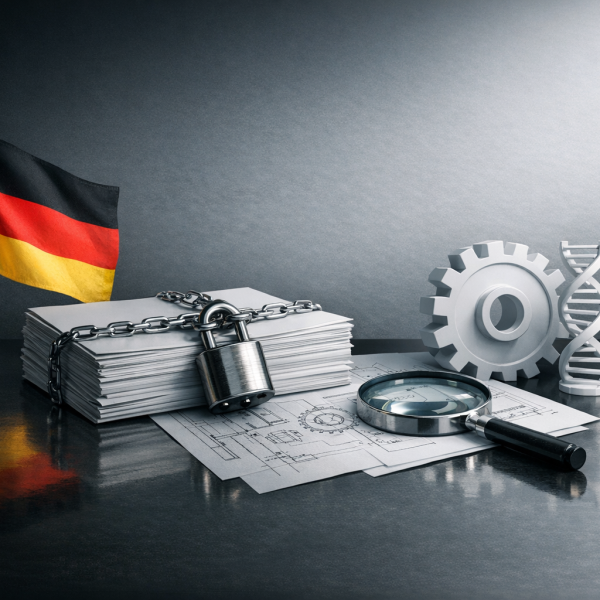
German legislation and regulations, especially in sectors like pharmaceuticals, finance, insurance, manufacturing, and data protection, are complex and highly specific. Incorrect terminology or ambiguous language in legal documents, contracts, warranties, and privacy policies can expose a company to legal disputes, fines, and regulatory scrutiny.
For example, mistranslating terms in a service agreement can change liability clauses, warranty durations, or cancellation terms. A small linguistic oversight may result in the contract being interpreted against your company’s interest. Compliant, precise, and sector‑specific German translation is not a luxury; it is a form of risk management that protects your business from litigation and penalties.
Verifying who actually did the work is the step most buyers skip. Translators at PoliLingua work under ISO 17100, which requires a provider to document competence through a relevant degree or professional experience, so the question has a paper answer rather than a verbal one. For a German service agreement, that record is worth asking for before the text reaches your legal team rather than after.
4. Brand Damage That Extends Across Channels
Brand identity is built on consistency: tone of voice, terminology, and messaging must align across all markets. Poor German translations fracture this identity. Suddenly, your brand voice in German feels different from English, French, or Spanish – sometimes overly casual, sometimes unintentionally rude, sometimes just confusing.
Once screenshots of awkward translations or embarrassing taglines circulate on social media, the damage spreads far beyond your immediate customers. It can take months or years to rebuild a damaged reputation. A well‑managed German translation strategy ensures consistent terminology, brand voice, and style on every touchpoint – packaging, ads, help centers, landing pages, and support emails.
5. Missed SEO Opportunities in German‑Speaking Regions
German users rarely search in English. If your keywords, meta descriptions, headings, and body content are poorly translated, you will rank lower in German‑language search results – or not at all. Direct, literal translations of English keywords often fail because German users use different phrases, long‑tail queries, and compound nouns that generic translation tools rarely capture correctly.
Effective SEO in German requires keyword research native to that market and content that reads naturally to human users while satisfying search engine algorithms. Poorly translated content increases bounce rates and reduces time on page, signaling to search engines that your page is not relevant. That means fewer leads, fewer sales, and higher paid advertising costs to compensate for weak organic visibility.
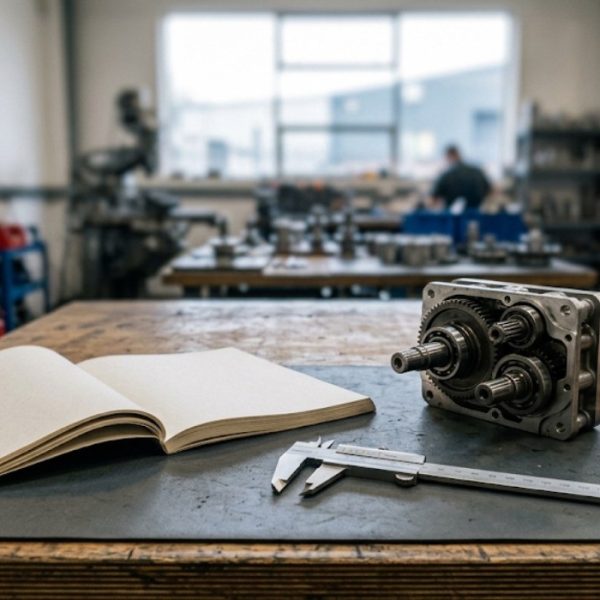
German translation errors cost more because so much of the work sits in engineering, legal and medical documentation where precision is the deliverable. That concentration is not accidental: the country’s german software companies and industrial exporters generate exactly the kind of technical text that punishes approximation. High-stakes source material is what makes the error expensive.
6. Customer Support and UX Problems
Error‑filled German in FAQs, product manuals, onboarding flows, and help center articles directly increases support tickets. Users cannot follow instructions, misunderstand features, or misinterpret warnings. Your support team then spends more time solving issues that a clear translation would have prevented.
Similarly, software and app interfaces translated poorly into German can create confusion, misclicks, and frustration. German text tends to be longer than English; without expert handling, it can break layouts, cause truncated labels, or make navigation unclear. Each frustrated user is a potential bad review, a lost subscription, or an abandoned cart – all of which impact your bottom line.
7. Internal Confusion and Operational Inefficiency
German translations are not only for external audiences. Internal policies, HR documents, safety instructions, and training materials often need to be available in German for teams, partners, or contractors. If these materials are poorly translated, misunderstandings can lead to operational errors, safety incidents, or non‑compliance with workplace regulations.
Clarifying and correcting such misunderstandings uses up management time, HR resources, and legal counsel. Over time, the cost of internal confusion caused by bad translations can rival the cost of external marketing damage. Clear, accurate German documentation helps keep teams aligned, safe, and efficient.
8. Slower Expansion into DACH Markets
The DACH region (Germany, Austria, Switzerland) offers high purchasing power and a strong B2B and B2C landscape. However, companies that underestimate the need for precise German localization typically scale more slowly. Sales cycles become longer when prospects must “work through” unclear materials or wait for corrected documents.
Investors and partners in German‑speaking markets also judge international businesses by how seriously they take local language and compliance. A robust, accurate German presence signals commitment and reliability. Poor translations send the opposite message and can delay partnerships, distribution deals, and funding opportunities.
Investing in Quality German Pays for Itself
The real cost of German translation errors goes far beyond the initial fee you “saved” by cutting corners. It appears in damaged trust, legal risk, rework, lost search visibility, higher support volumes, weaker brand identity, and slower market expansion. Each of these issues compounds over time and across channels.
Treating German translation as a strategic investment rather than a last‑minute checkbox changes the equation. By working with specialized professionals who understand not only the language but also your industry, brand, and target audience, you protect your reputation, reduce long‑term costs, and open the door to sustainable growth in German‑speaking markets. The up‑front investment in quality German is almost always lower than the hidden, ongoing price of fixing avoidable mistakes.