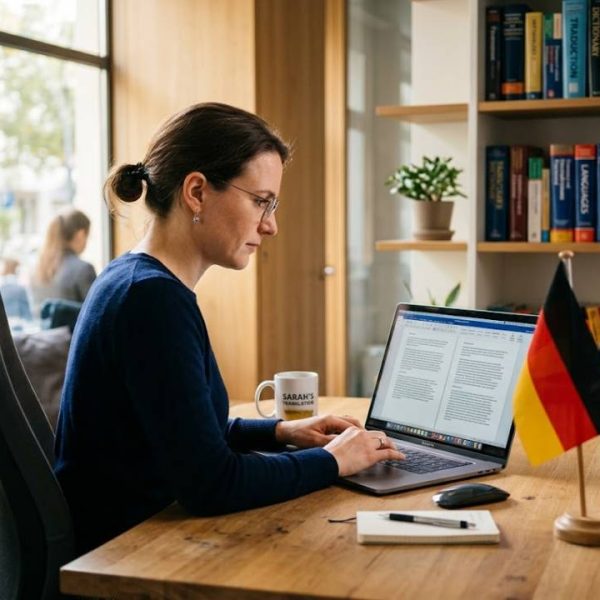
Germany is the largest economy in Europe, and companies that sell there quickly learn that German customers read carefully. They compare technical data, check terms and notice awkward wording at once. A professional German translation service protects your reputation by delivering texts that sound natural, use the right terminology and meet legal requirements. This guide explains what to expect from such a service, from the first inquiry to the final file, and how to judge quality when you do not speak the language yourself.
Native Speakers With Subject Knowledge
The core of a good service is its translators. They should be native German speakers who have studied translation or have long professional experience, and they should specialize in fields such as law, engineering, medicine, finance or marketing. A general translator may produce correct sentences but miss the vocabulary that experts expect.
Ask who will translate your text and what experience that person has in your field, because the answer predicts the quality better than any price list.
A Review Step Built Into Every Project
Reliable agencies do not stop at translation. A second linguist reviews the text against the source, checking meaning, numbers, names, style and consistency. The Federal Association of Interpreters and Translators describes professional standards for the field, and many providers follow similar internal rules. Ask for a description of the review process in writing.
A single translator working alone with no check is a risk for any important document.
German Formatting and Style
German texts follow conventions that differ from English. Numbers use a comma for decimals and a period for thousands, dates are written day first, quotation marks look different and compound nouns can be very long. Business correspondence tends to be formal, with titles and precise address.
A good service applies these rules automatically and delivers files that look correct, not just text that reads well.
Technical and Legal Texts
Manuals, contracts, certificates and compliance documents demand precision. For German to English work, german to english translation services should come from translators who know both legal systems and can explain terms that have no exact equivalent. Contracts should be reviewed by a lawyer after translation.
Provide earlier versions, glossaries and reference documents to help the translator stay consistent.
Finance is one of the fields where that specialist knowledge matters most, because a mistranslated figure or term in a prospectus or annual report can mislead the reader. Investors who hold German stocks or ETFs depend on translation services that understand both the German source documents and the investment vocabulary behind them. A provider with that expertise keeps account terms, dates and figures identical across languages, so the translated report reads as reliably as the original. Choosing a service with proven financial experience is the simplest way to avoid costly misunderstandings.
Product Information and Regulation
Companies that sell consumer goods in Europe must provide safety information, labels and instructions in the language of the market. Our article on GPSR translation requirements explains how these rules affect product listings and packaging. Missing or incorrect translations can lead to penalties or removal of products from sale.
Check with your compliance team which documents need German versions before you ship.
Project Management and Communication
A dedicated contact who answers questions quickly makes a large difference. Look for clear quotes, defined delivery dates, a shared place for files and a simple way to request changes. Good providers warn you early about unclear passages or risks in the source text.
Silence from a vendor during a project is rarely a good sign.
Confidentiality and Security
Business documents often contain sensitive information. Ask how files are stored and transferred, who has access and whether translators sign confidentiality agreements. European data protection rules apply to many projects, so choose a provider that takes them seriously.
Never send confidential material through unsecured channels.
Pricing and Timelines
German translation is usually priced per source word, with rates that depend on subject, length and urgency. Certified translations, formatting and rush delivery cost extra. A typical translator completes a few thousand words per day, and review adds more time. Ask for a quote that lists every item, and plan your schedule so that review is never skipped. Rates that are far below the market often mean no review, inexperienced translators or machine output without editing.
A fair price reflects the effort that quality requires.
Marketing Content and Transcreation
Slogans, headlines and brand stories rarely work as literal translations. German audiences may prefer a more factual tone than English speakers, and humor often needs replacing rather than translating. Ask for transcreation, where a creative writer adapts the message, and test headlines with native readers.
Good adaptation keeps the energy of the original while respecting local habits.
Building a Long Term Relationship
Once you find a service you trust, keep working with it. Translation memories and glossaries grow with every project, which lowers cost and speeds up delivery. Share feedback, introduce new products early and agree on yearly volumes. Stable teams learn your voice and your preferences.
A reliable partner becomes part of your market entry strategy and helps you grow with confidence.
Handling Corrections and Updates
Even careful projects sometimes need changes. A source text may be updated, a product name may change or a reviewer may prefer another term. Agree in advance how corrections are requested, how long they take and which are free. Keep a log of changes, and update the glossary so the same decision applies to every later document.
Clear rules for corrections prevent disagreements and keep documents consistent over time.
Questions to Ask Before You Order
Ask how translators are selected, whether a second linguist reviews every text, how deadlines are managed, what happens if you are not satisfied and how your files are protected. Request a short sample in your field, and have a native speaker review it. A confident provider will welcome these questions.
The answers tell you more about quality than any promotional claim.